 View image at full size01
Shipment verification
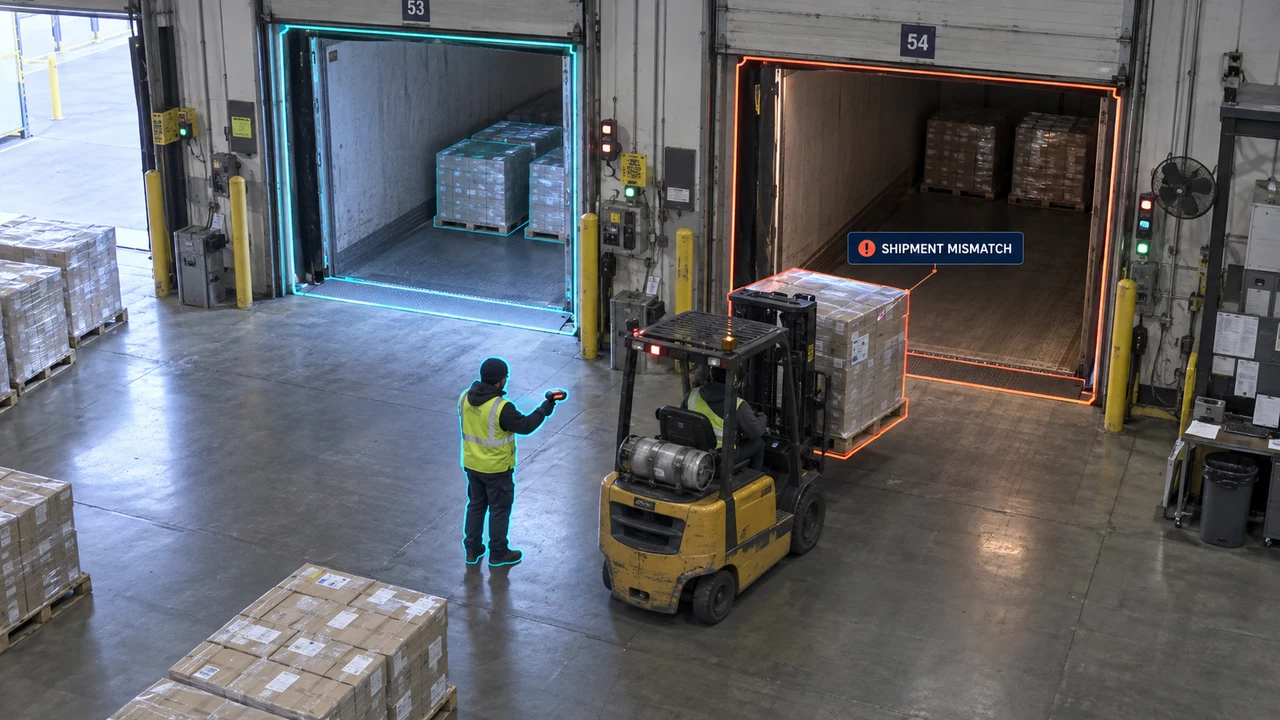
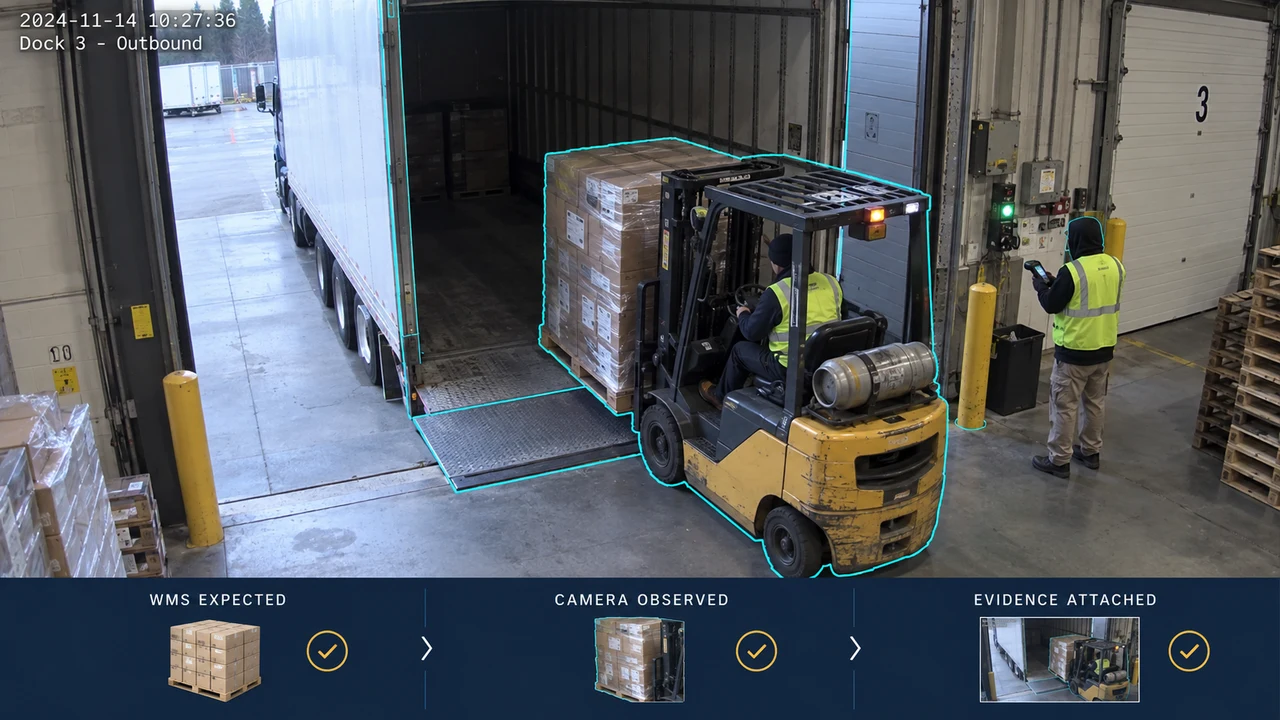
Compare the expected item, dock, and vehicle with the observed outbound handoff.
Hold a mismatch for review before the truck departs.

Warehouse operations
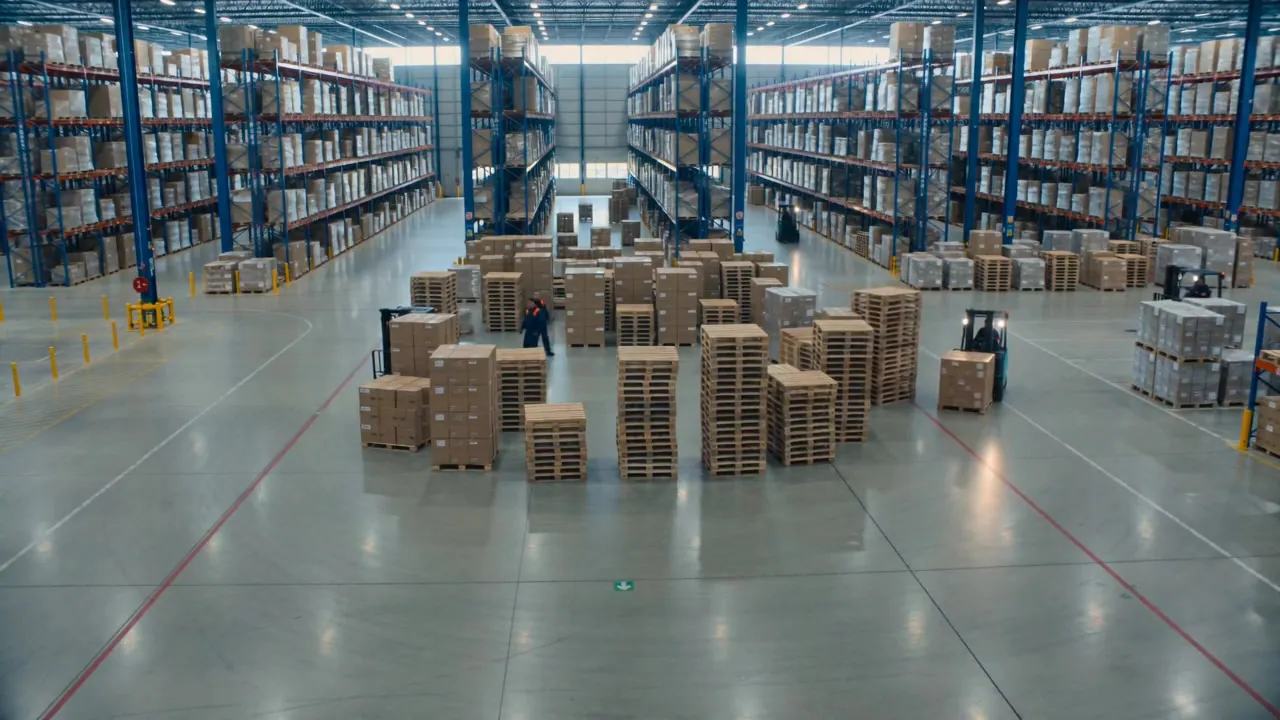
Use existing cameras to verify shipment and putaway handoffs, investigate WMS mismatches, and measure the flow behind each exception.
Request a demoInventory verification
Inventory drift often begins when the WMS records one destination but the physical pallet, truck, or storage location follows another. Fortune AI compares each bounded shipment or putaway handoff with existing camera evidence, then returns match, mismatch, or uncertain before the workflow closes.
Bounded handoffs, not continuous item tracking. Start with shipment verification; extend to putaway and exception monitoring after the first acceptance test.
Fortune AI platform
Fortune AI compares WMS and TMS records with what existing cameras show across warehouse handoffs, identifies gaps in status and timing, prepares the next action, and keeps evidence with the outcome.
The 20-second demo compares the WMS or TMS expected state with camera-observed work, identifies an execution gap, prepares an owner-led action, verifies the outcome, and carries the learning into the next workflow.
Inventory handoffs
Review four checks behind an inventory handoff: the expected load, observed placement, exception timeline, and evidence needed to resolve it.
Fortune AI connects approved warehouse camera views with WMS expectations or TMS context so teams can review what physically happened between system events. Use it to verify bounded shipment and putaway handoffs, measure visible movement and waiting, and open the supporting footage behind an exception. It does not replace the WMS, identify hidden pallet contents, or continuously track every item
View image at full size01
Compare the expected item, dock, and vehicle with the observed outbound handoff.
Hold a mismatch for review before the truck departs.
 View image at full size02
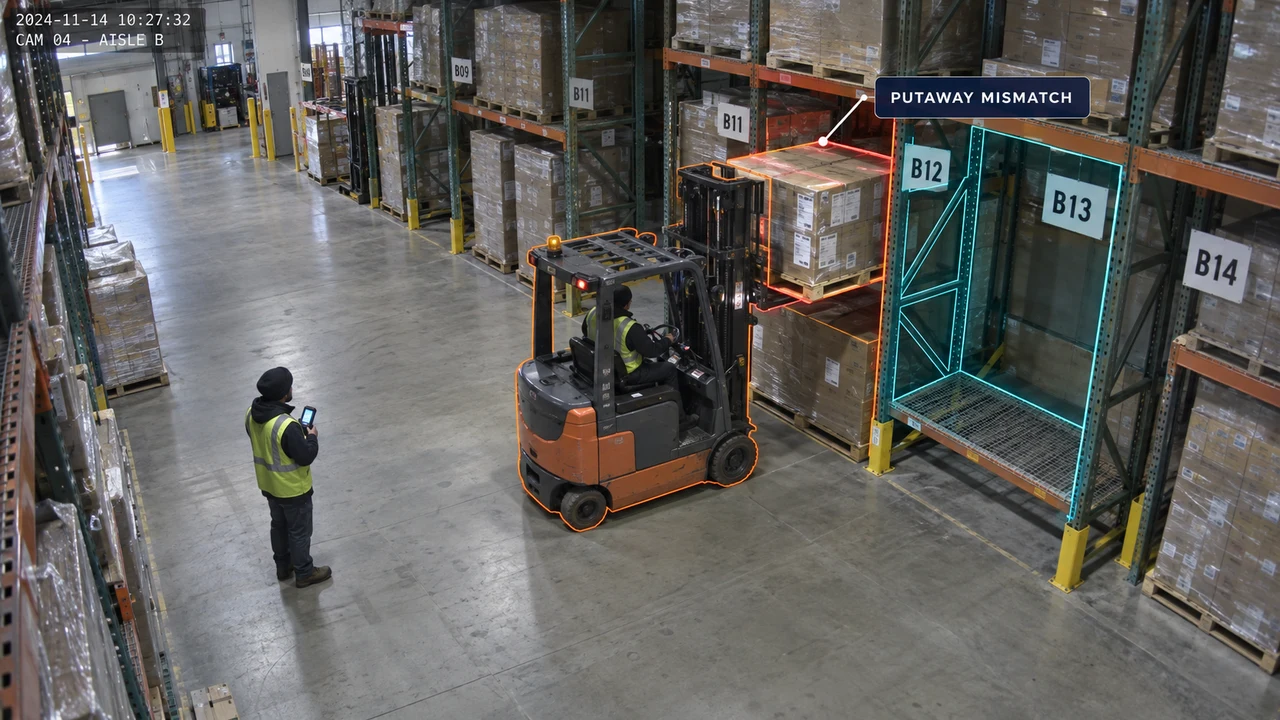
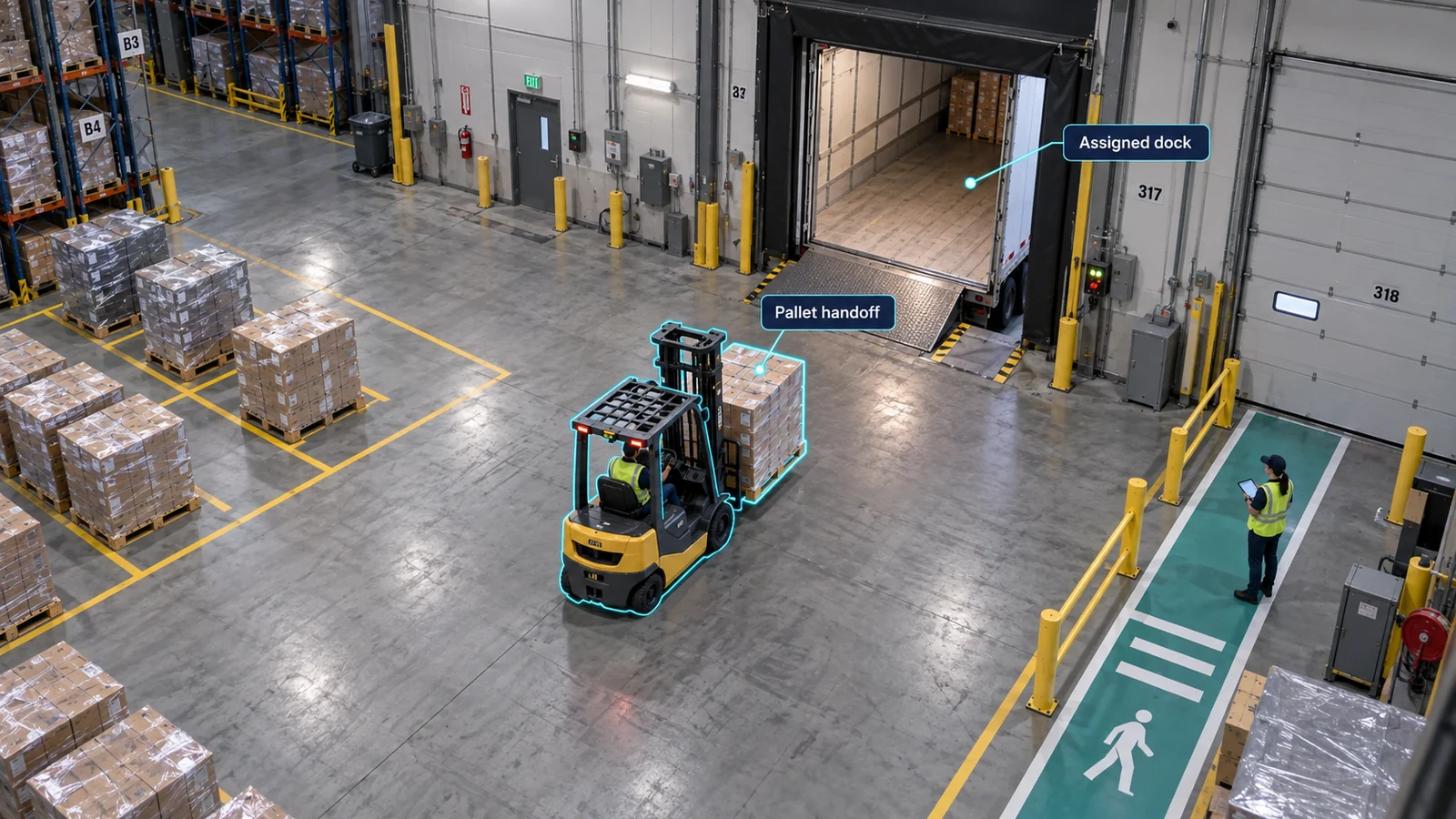
Compare the expected storage location with placement at the physical handoff.
Resolve wrong placement while the pallet remains visible.
 View image at full size03
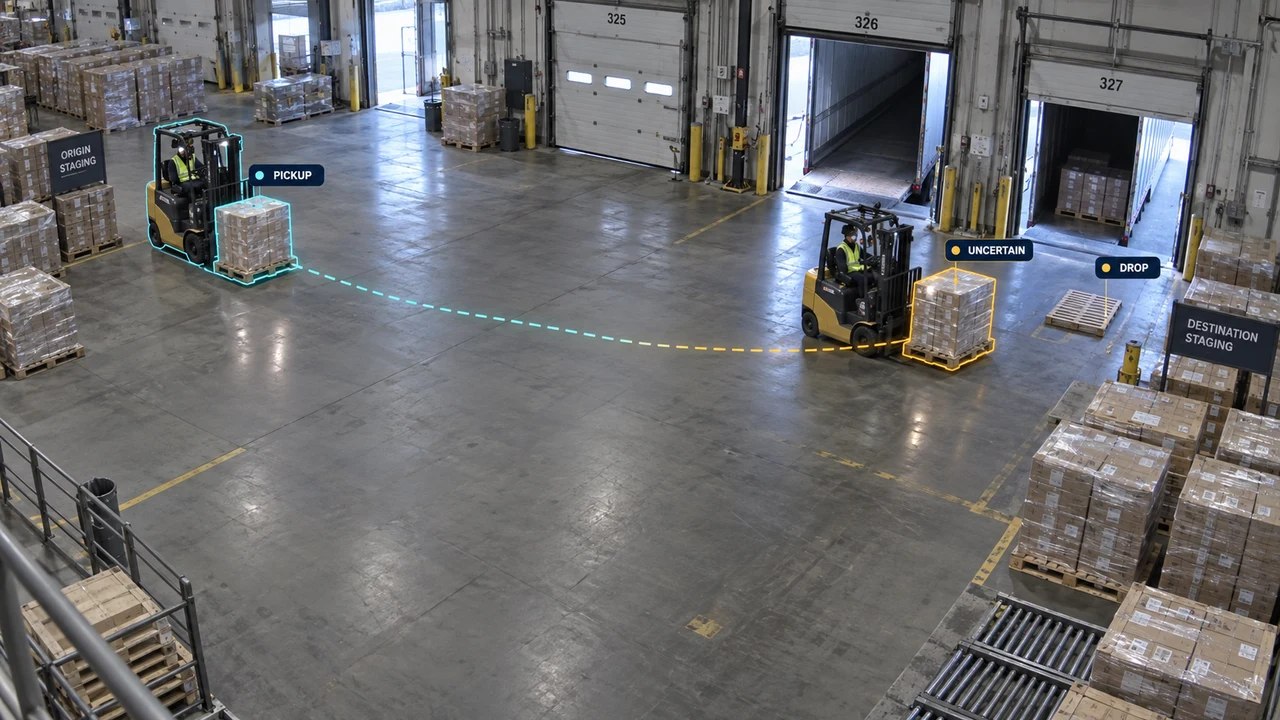
Connect pickup, drop, load, missing, and uncertain events in one timeline.
Review the handoff that changed the inventory state.
 View image at full size04
Keep the source event, observed handoff, footage, and resolution together.
Confirm the evidence and update the operating record.
Customer case study
A warehouse customer in the San Francisco Bay Area uses Fortune AI with two priorities: inventory record accuracy and warehouse productivity. The customer remains anonymous.
Match WMS records, pallet scans, and physical handoffs. Review missing, mismatched, or uncertain movements with the supporting footage.
See where loading pauses, handoffs wait, and exception reviews consume staff time. Use the evidence to address recurring delays.
Start with the problem
Choose the operating question
For a disputed movement, start with the inventory loss guide. For wrong loads or short shipments, use the shipping-error guide. For receiving, use the dock-to-stock guide. For output per labor hour, read the labor-productivity guide.
Start with one bounded handoff
FAQ
WMS alignment, readable handoffs, exception ownership, and pilot evidence.
Discuss your site's requirementsGeneral questions & other industriesStart with the last verified count and the receiving, putaway, or shipping event that no longer matches the WMS. Fortune AI brings the corresponding camera interval into the review so staff can compare the expected and visible handoff. Keep obscured, unreadable, or missing evidence unresolved rather than treating it as proof of loss.
What to measureReviewed discrepancies, investigation minutes, and unresolved handoffs.
No. The WMS remains the inventory record, and scanning remains a source of item and location identifiers. Agree on the event IDs, locations, timestamps, camera coverage, and authorized data exchange before connecting a bounded verification workflow. A visible pallet movement alone cannot confirm its hidden contents or the accuracy of an entire stock balance.
What to measureMatched event IDs, readable identifiers, location agreement, and missing records.
Select one handoff with a visible start and finish, then compare camera observations with a reviewed sample of WMS events. Report the sample size, missed or incomplete events, ID readability, and time spent resolving exceptions. Expand to other shifts only after the team agrees on acceptance criteria and checks representative operating conditions.
What to measureEvent completeness, exception-review time, and acceptance results by shift.
Start with bounded handoffs where inventory changes state, such as shipment and putaway. Fortune AI does not replace the WMS or continuously track every inventory item. Agree on camera coverage, readable IDs, exception ownership, and any record write-back before deployment.