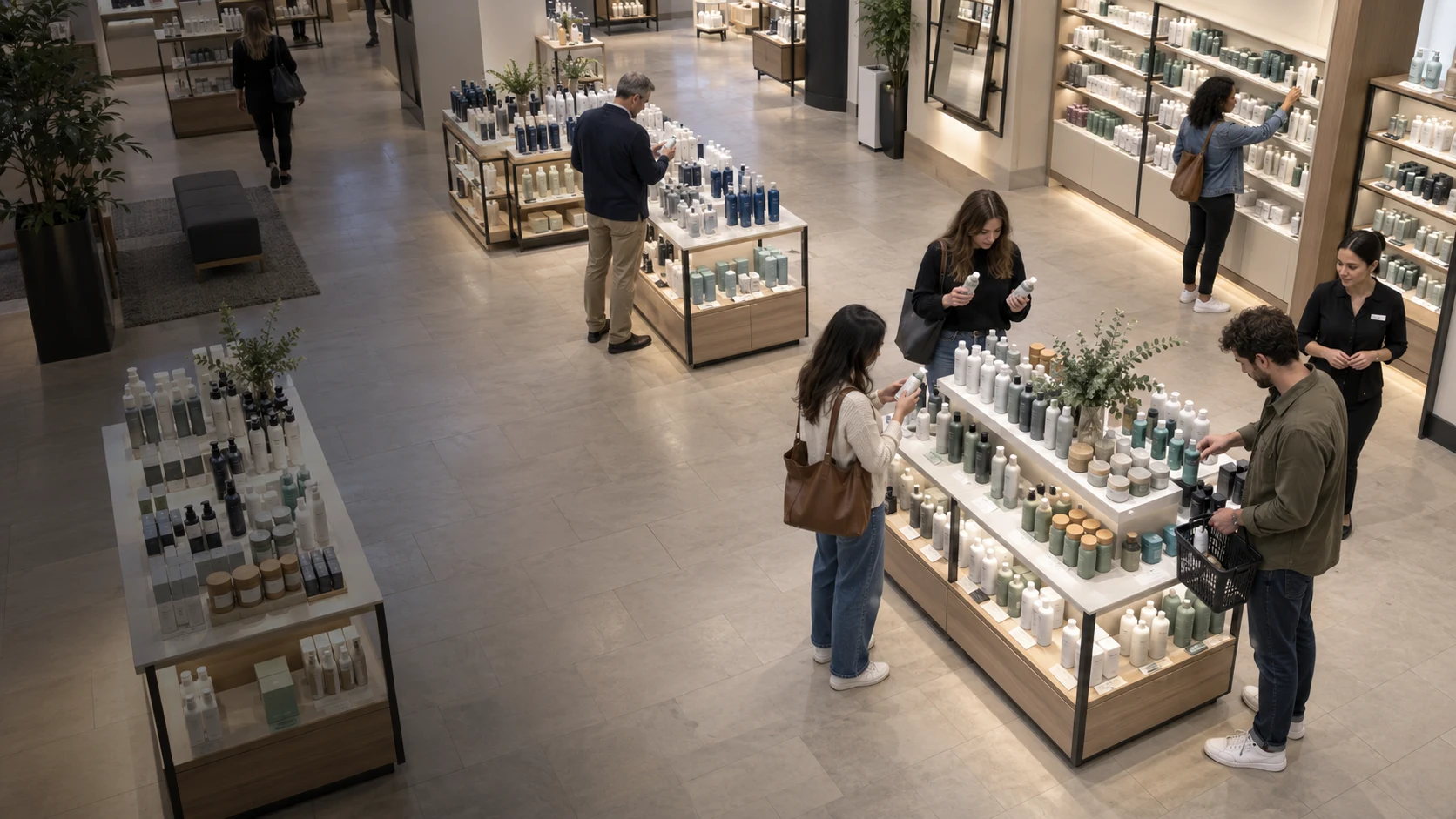
Shoppers comparing products at display fixtures inside a retail store

Retail operations

Improve conversion, service and store productivity

Connect POS, staffing and customer flow to understand where stores lose sales opportunities. Use AI recommendations to improve service coverage, merchandising and performance across locations.

Request a demo

Across the retail floor

Turn store demand into profitable service

Staffing decisions, store layouts and service availability shape conversion and operating costs. Fortune AI connects sales records with store conditions so retail leaders can prioritize changes and compare results across locations.

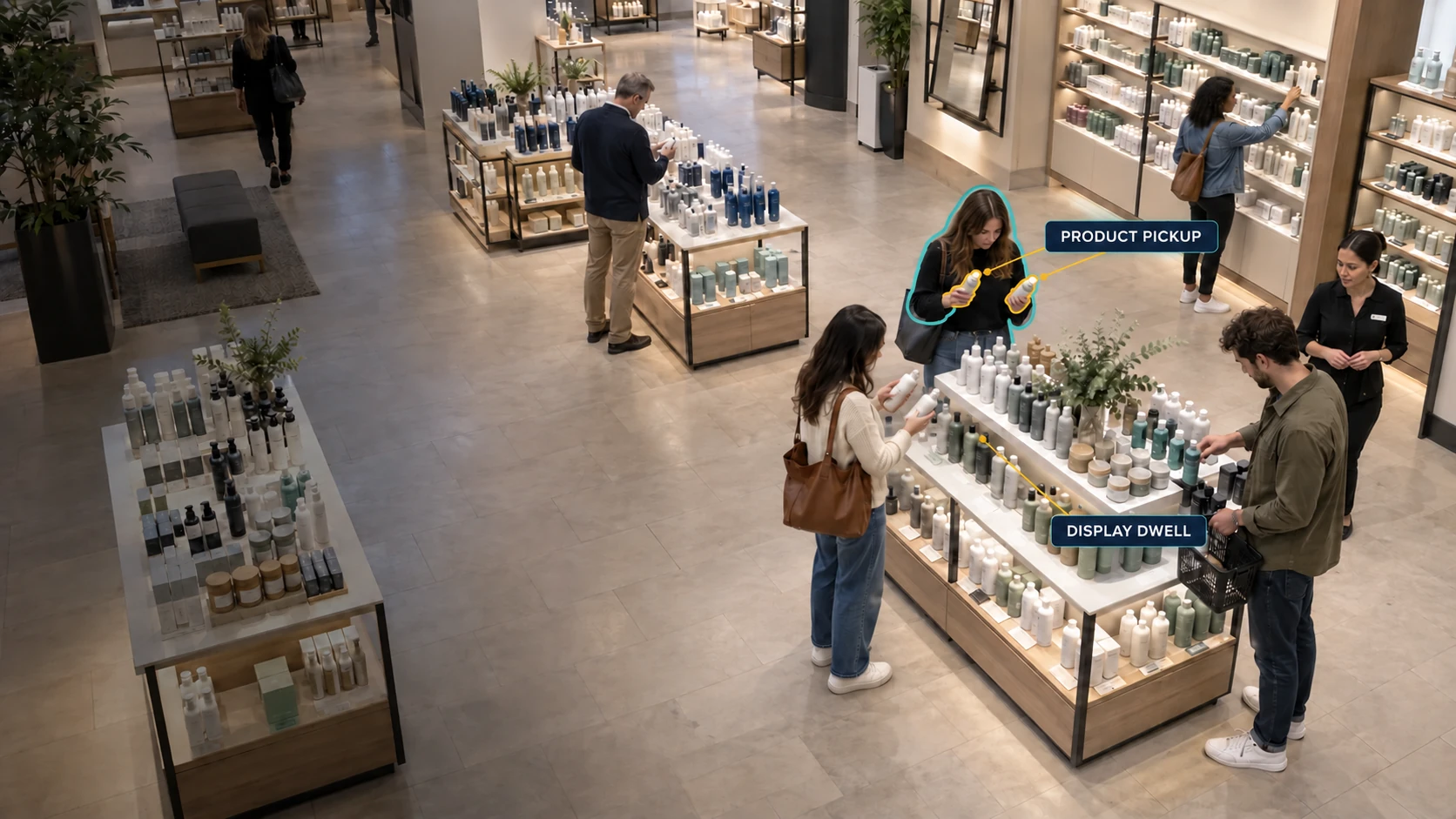
Overhead retail view with AI cues on a shopper comparing two products, the products in hand, and the display where she stopped

01 · Product interaction

Which displays invite a closer look?

Measure visible pickup, return, and dwell at agreed fixtures. Compare display activity by hour and campaign; connect to authorized SKU and sales records when product-level or sell-through questions matter.

Decision: Review engagement beside stock and sales context before changing a display.

Visible activity by fixture and trading period
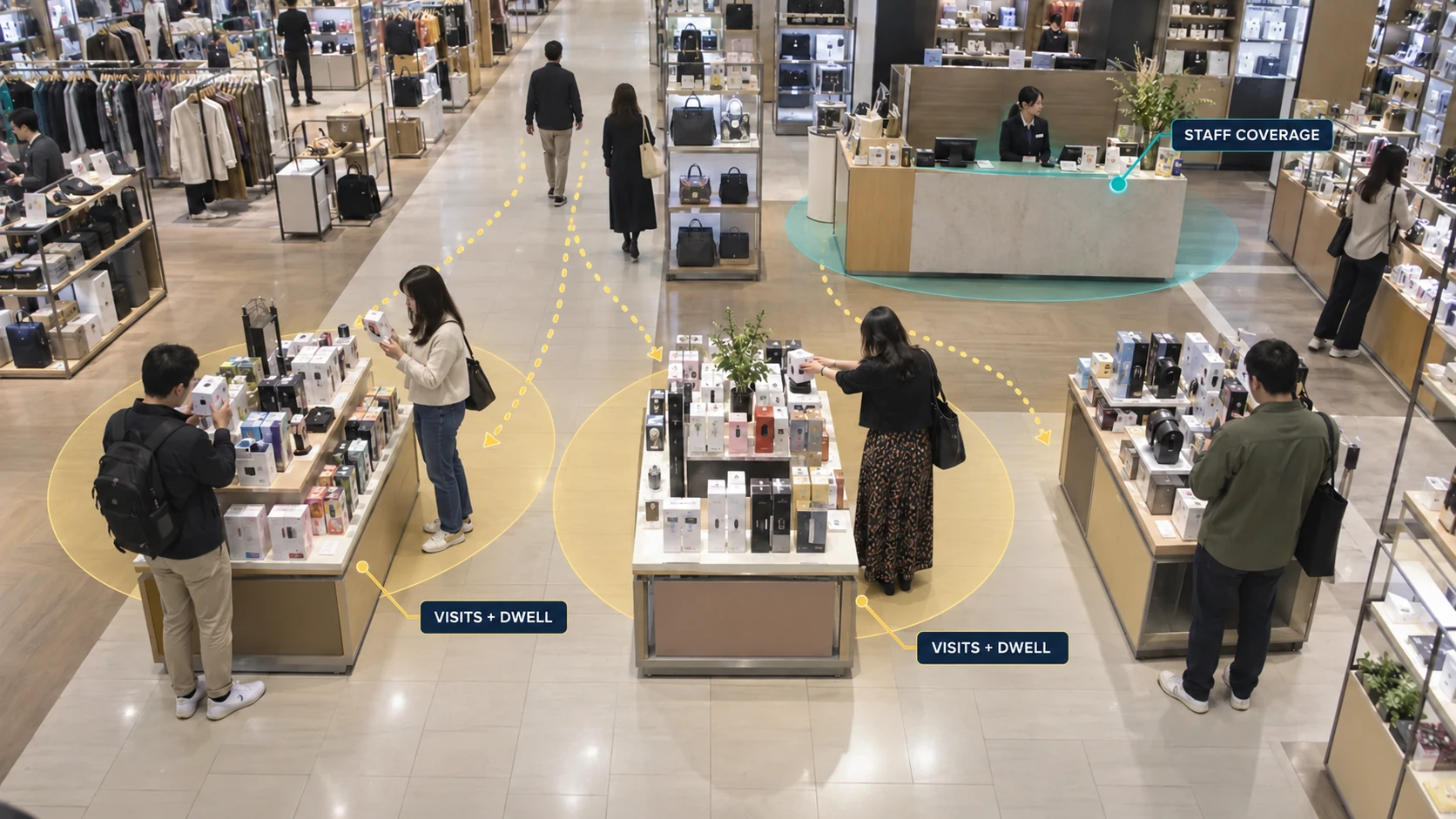
Overhead department-store view with AI cues showing counter visits and dwell alongside associate coverage

02 · Mall counter traffic

Which counters draw the most visits?

Count visits and dwell at selected department-store counters and storefront thresholds. Compare nearby service coverage during the same peak without identifying individual shoppers.

Decision: Move staff or test a counter layout where demand and coverage diverge.

Counter visits, dwell, and coverage by hour

One view across the floor

Connect engagement to the next retail decision

Start with a visible fixture, counter, or storefront. Define pickup and visit events on the supported view, then compare matched periods after a display or staffing change. Camera activity shows interaction; authorized POS and inventory records establish sales and product identity.

Read the retail queue analytics guide
  • Fixture + time
  • Counter traffic + coverage
  • Authorized sales context

Product demo

One question becomes evidence your store can act on.

Compare waiting time and staff coverage with the camera evidence. Find the service point that needs attention.

  1. 01 · AskWhere did customers wait longest?
  2. 02 · VerifyReview the period and supporting footage
  3. 03 · CompareTest the change on matched periods

The demo types the question Where did customers wait longest today. Only after the question is complete, Fortune AI reviews matched checkout periods. The answer identifies the service desk, attaches the supporting camera view, and shows the measured change in observed wait from eight to four minutes.

From demand to staffing

Open the next counter before the wait builds

Use the result to move staff at the right time and place

Fortune AI AgentService review · Checkout
You

When are too few counters open?

Fortune AI

The queue grows before the after-work peak

In this example, one counter is open as demand rises; the queue clears after a second opens

Peak window
17:30
Open counters
1 of 3
Queue growth
12m before peak
You

What changed when another counter opened?

Fortune AI

Compare the queue before and after

Review arrivals, active counters, and service starts to see whether added coverage helped clear the wait

Sample retail checkout view showing queue demand and open service counters
Sample camera viewExact footage stays attached to each reviewed event
You

When should we move staff to checkout?

Fortune AI

Review coverage before 17:30

At a later planning review, the store lead approves peak-hour coverage. Compare assistance, waiting and POS results on the next similar shift.

Across the store

Manage the drivers of store performance

Use operating evidence to improve conversion, service and labor productivity.

Operating context

Match POS and staffing data to store activity. Approve AI recommendations at a later review, then verify the change during the next comparable trading period.

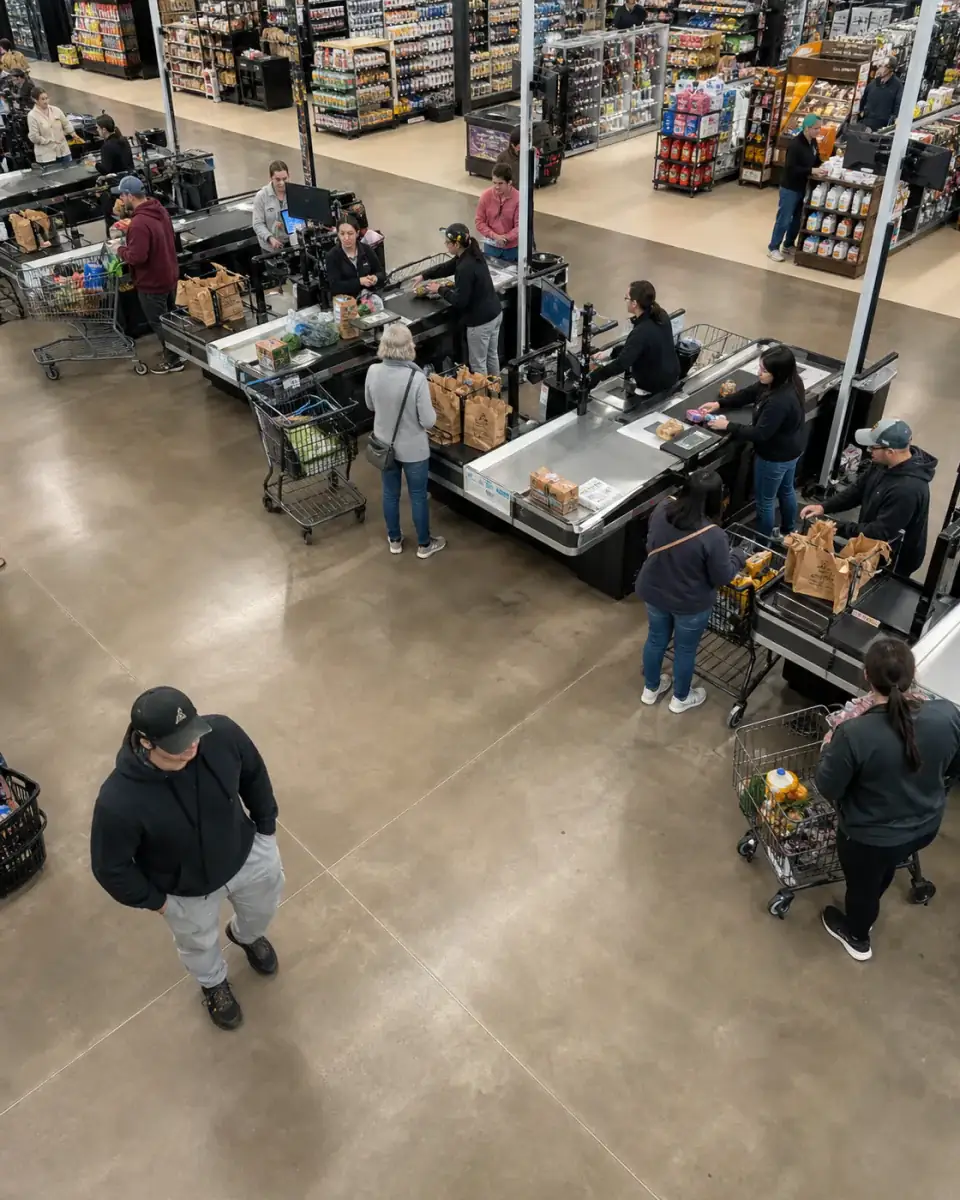
High-angle retail view showing shoppers handling products at display fixturesView image at full size01

Display engagement

Measure visible pickup, return and dwell at agreed displays alongside POS product sales.

Review merchandising using both engagement and recorded purchases.

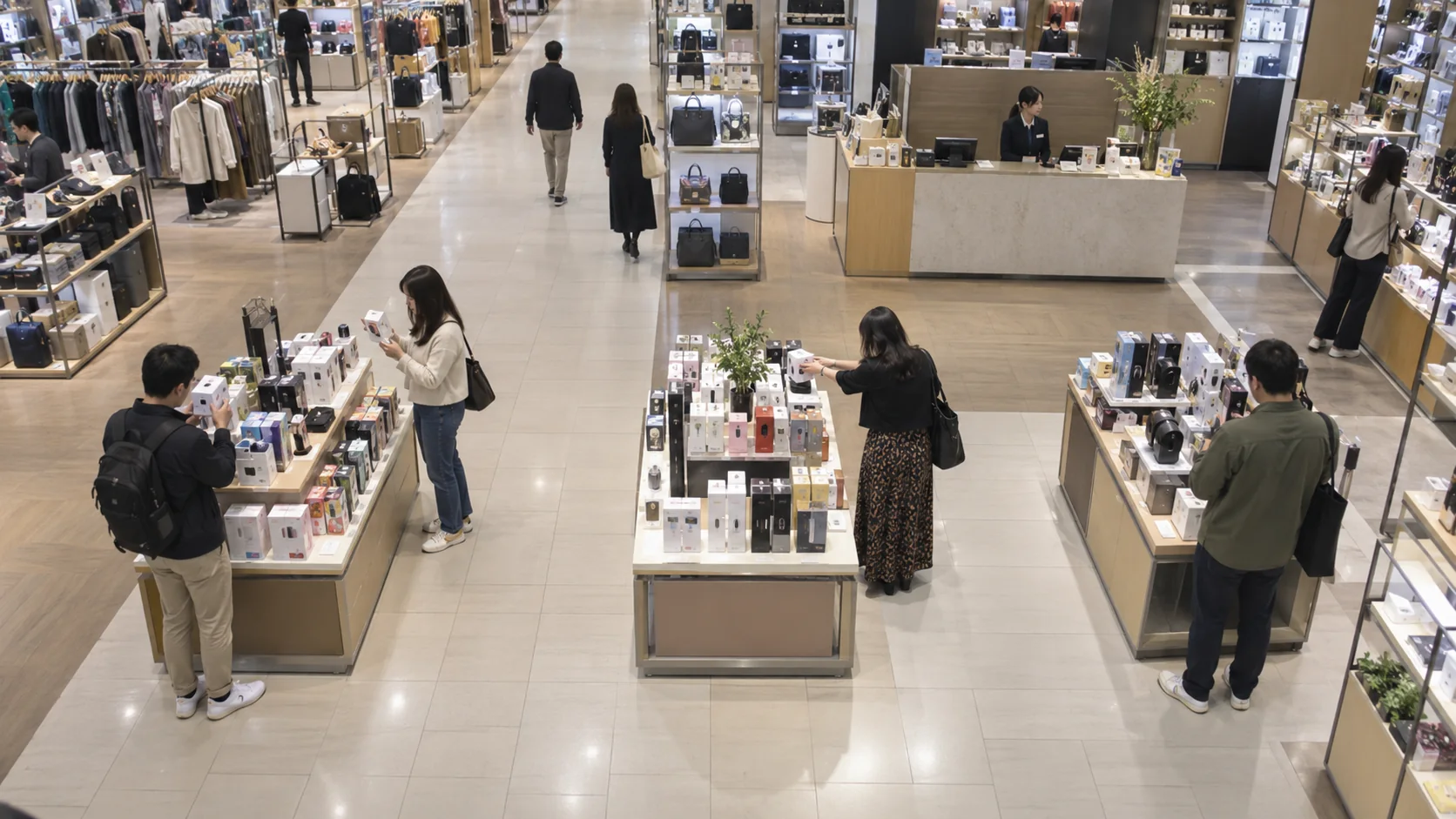
High-angle department-store view showing visitors across counters and displaysView image at full size02

Foot traffic & conversion

Compare store or counter visits with POS transactions over matched periods.

Review service coverage against traffic and sales conversion.

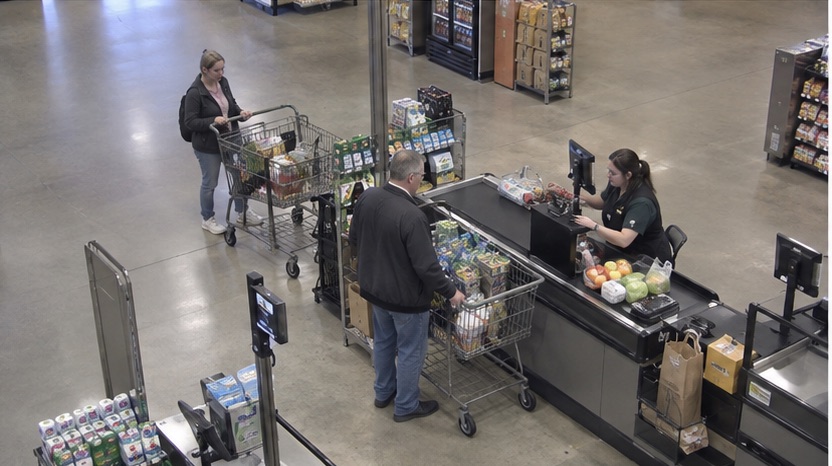
High-angle checkout camera view showing a transaction and the next waiting shopperView image at full size03

Staffing & service time

Compare interaction time, staff coverage and customer demand by counter and shift.

Recommend staffing for the next demand peak.

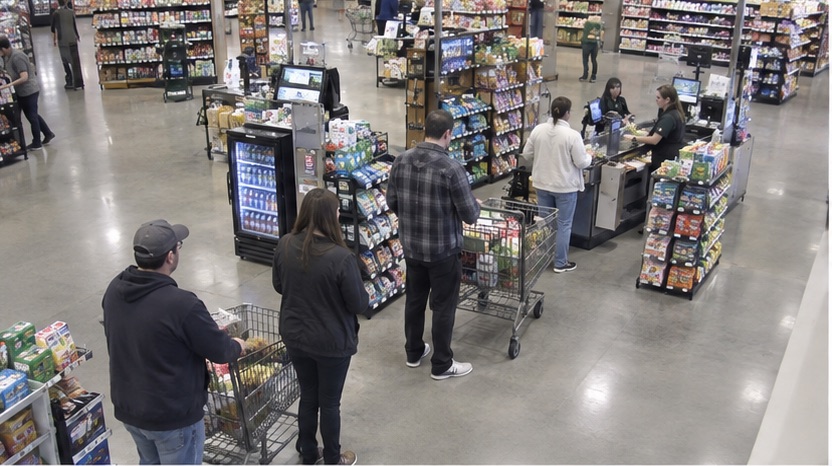
High-angle checkout view showing a retail queueView image at full size04

Queue management

Measure queue entry to service start alongside arrivals and active checkout counters.

Verify waiting after the coverage change.

Make the value testable

Less waiting. A result you can check.

A measured checkout result, calculated from matched periods before and after a staffing change.

240customer-minutes of waiting avoided

120 customers × 2 minutes less waiting

Measurement scope

The measured result covers average wait falling from 6 to 4 minutes across 120 customer observations. Customer waiting time is not paid labor saved. Financial ROI needs actual staffing costs, deployment costs, and authorized transaction data; camera activity alone does not establish purchases or revenue uplift. Start with agreed entrance, sales-floor, service, or checkout views. Validate camera coverage and counting rules; do not infer identity, emotion, or purchase intent. Fitting-room interiors are excluded.

Start with one service decision

See what your existing cameras can measure

Request a demo

FAQ

Questions about retail and mall operations.

Product interaction, department-store counter traffic, checkout service, and sales-data context.

Discuss your site's requirementsGeneral questions & other industries

How can teams improve conversion, service and labor productivity?

Connect POS, staffing and customer flow to understand where stores lose sales opportunities. Use AI recommendations to improve service coverage, merchandising and performance across locations. AI recommends changes for a later operating review. The responsible lead approves the plan, then verifies results during the next comparable trading period.

What to measureFoot traffic, POS transactions per counted visit, service waiting and labor allocation across matched trading periods.

How do traffic and POS become a trustworthy store comparison?

Align POS, staffing and foot traffic by store and trading period. Keep transaction counts in POS and pair each comparison with the relevant operating evidence, helping leaders explain conversion and service performance before approving changes.

What to measureSource records, matched periods, supporting footage and reviewed findings.

How do we scope rollout, cost and ongoing ownership?

Scope the records, compatible camera views, connectors, training, costs and support responsibilities in one plan. Agree acceptance measures for conversion, service and labor productivity, a named contact and the review process before expanding across operations.

What to measureAgreed scope, acceptance results, rollout costs and assigned follow-up.

How should we evaluate a checkout pilot?

  1. 01 · Define the wait

    Time queue entry to service start, separately from service duration. Record departures before service and waits still open when observation ends.

  2. 02 · Match the periods

    Record day, hour, arrivals, promotions, and active counters. Report the sample count and missing footage; do not select only favorable clips.

  3. 03 · Separate the outcomes

    Compare the wait distribution on matched periods. Calculate financial ROI from verified benefits and actual costs; do not count customer waiting time as paid labor saved.

Agree on camera use, access, retention, and any POS integration with the store operator, then compare matched periods under the same measurement rules.

How we scope and validate a measurement

What scope and privacy requirements should we agree on?

Agree on the zones, arrival, service-start and service-end events, and active-counter definitions. Do not infer identity, emotion, or purchase intent. Fitting-room interiors are excluded. Purchase and sales analysis requires separately authorized transaction data.