 View image at full size01
Line stops
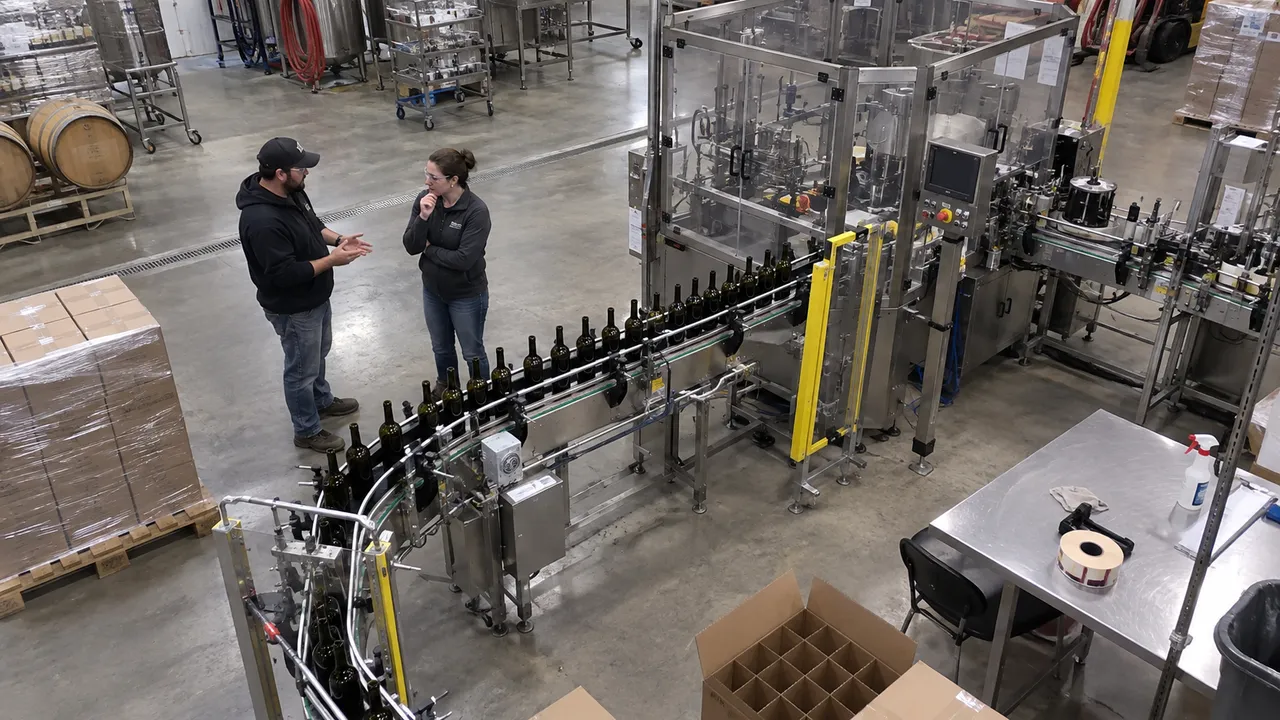
Measure visible running and stopped minutes with the supporting stoppage clip.
Focus review on repeated interruptions.

Wineries & packing houses
Measure running and stopped time, workers present, and cases or boxes per hour across bottling and packing lines.
Request a demoThe operating problem
Short production seasons make each lost hour matter. Stops are logged by hand, product waits for the dock, and hourly crew coverage is rarely reconciled with boxes produced in the same hour.
Fortune AI platform
Review repeated stoppage causes. Review line stoppage alongside the camera evidence for the same operating period.
Where did the packing line lose running time? Repeated stops are cutting line time. Review the camera evidence, the measured line stoppage, and the next action: review repeated stoppage causes.
Packing-line flow
Swipe to explore all four operating measures
Measure visible line states, output at an agreed counting point, labor coverage, staging dwell, and dock handoffs across winery and packing operations.
Winery and packing-line video analytics connects running, stopped, starved, and blocked intervals with authorized shift and production records. Product, lot, quality, and traceability systems remain the record for identity and specification
View image at full size01
Measure visible running and stopped minutes with the supporting stoppage clip.
Focus review on repeated interruptions.
 View image at full size02
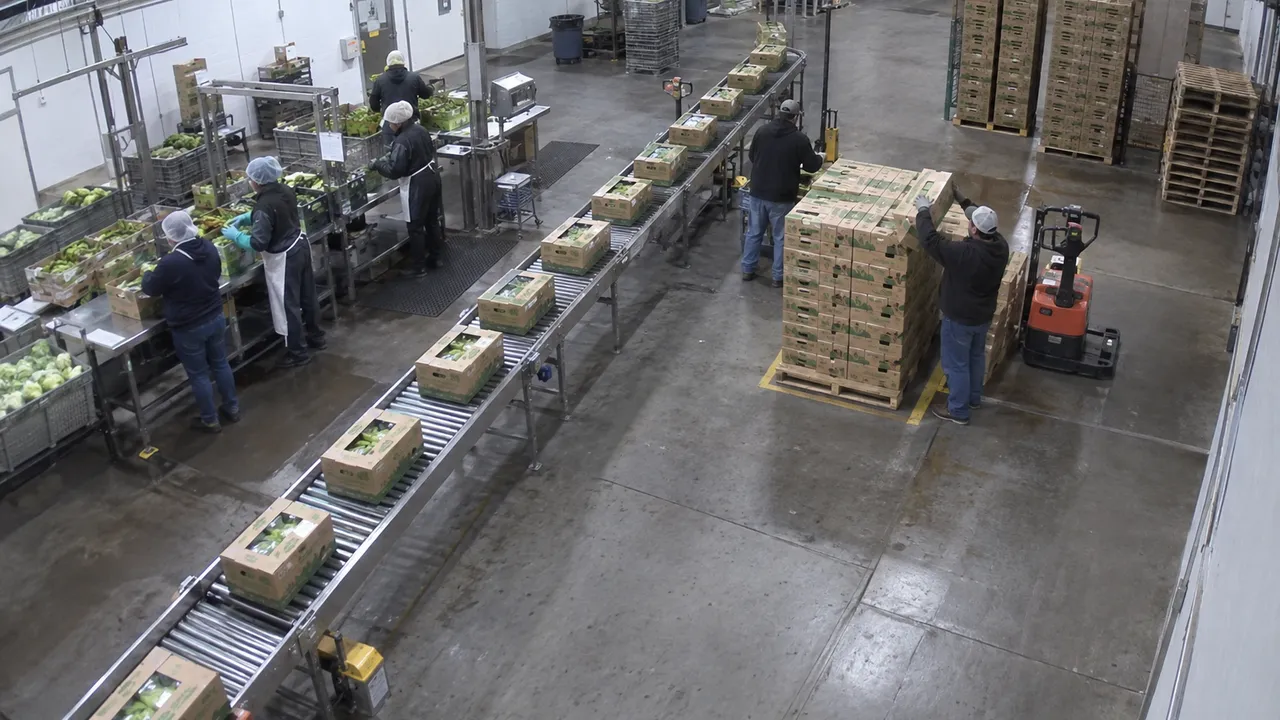
Count units past an agreed point by line and shift.
Compare output across the operating day.
 View image at full size03
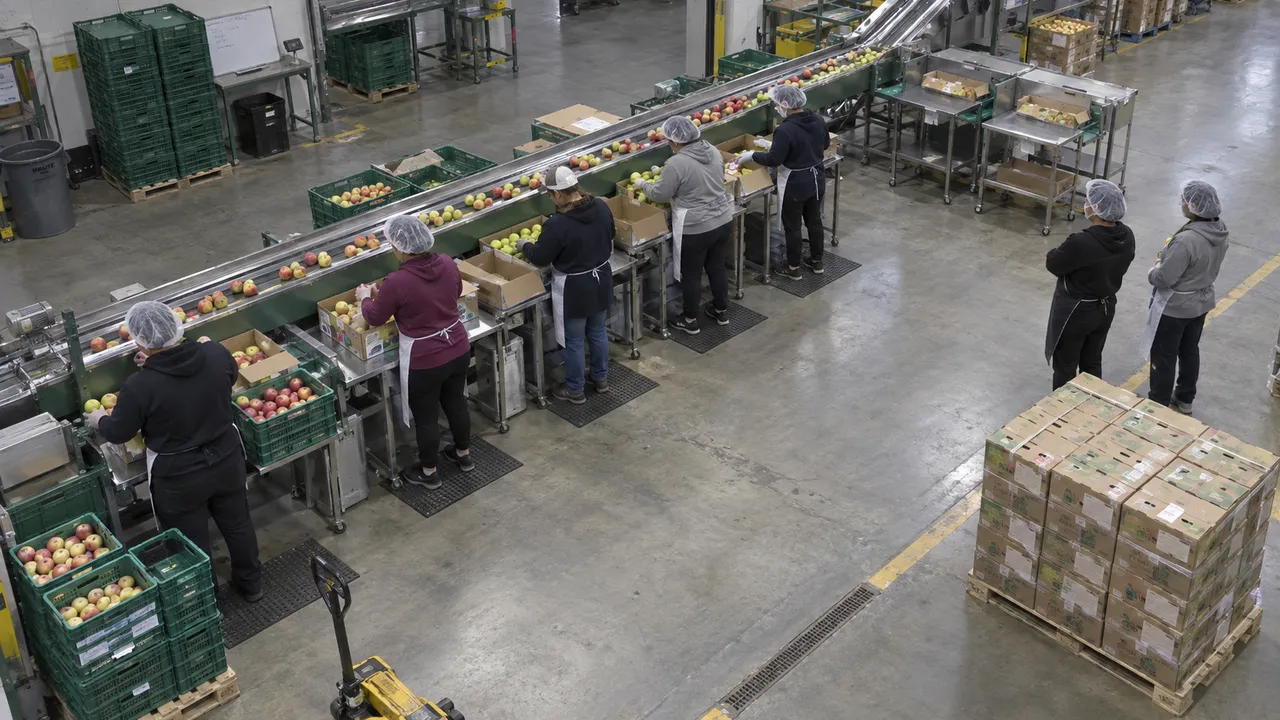
Compare workers present per line-hour with the corresponding output.
Review crew allocation using both labor coverage and flow.
 View image at full size04
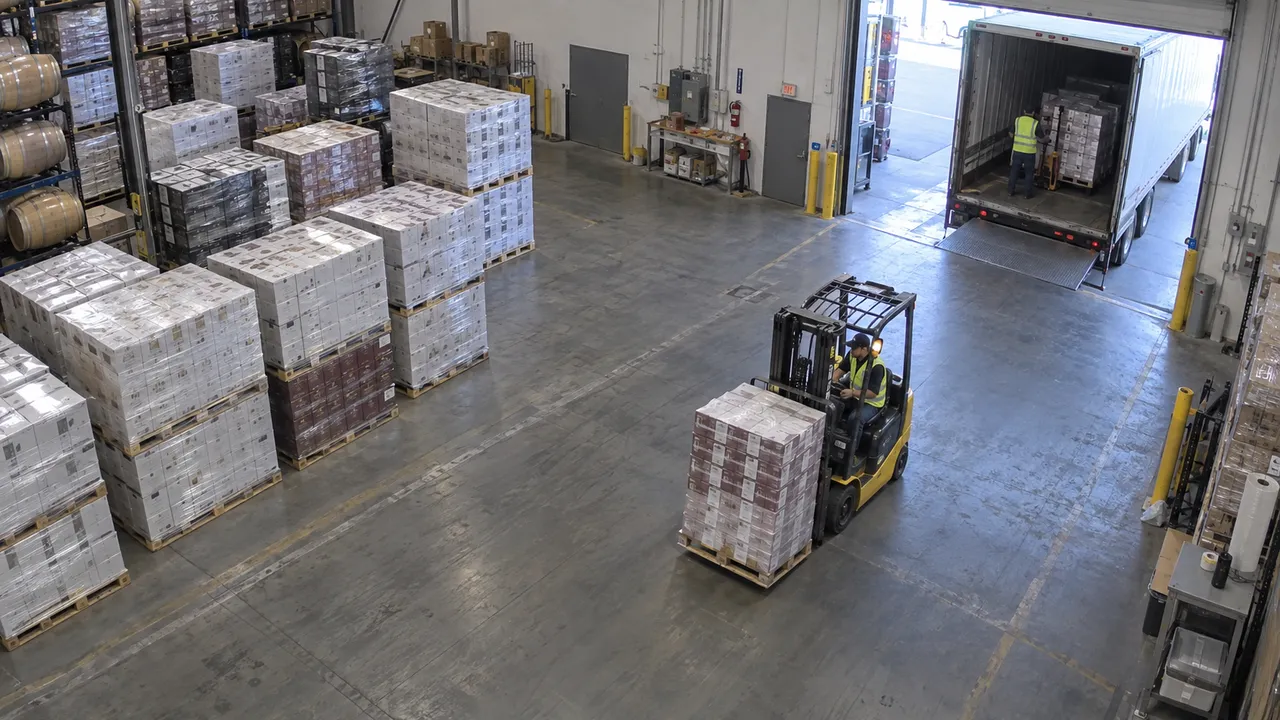
Measure visible product waiting and truck occupancy at selected staging zones and doors.
Find the handoff delaying the next movement.
Getting started
Share a clip with a clear counting point, including running and stopped periods.
Plan your pilotFAQ
Line states, counting points, labor records, seasonal mix, and dock handoffs.
Discuss your site's requirementsRead the winery and packing-line analytics guide General questions & other industriesCompare visible stopped intervals with units crossing a fixed count point. Review the clip and production log to distinguish changeovers, material shortages, and downstream waiting. Keep the same package size and line configuration in the comparison.
What to measureStopped minutes and cases or boxes per observed line-hour.
Compare workers present in an agreed line zone with output from that same period. Check task mix and breaks before changing allocation. Visible presence is not an individual productivity score and does not replace payroll or attendance records.
What to measureZone coverage and units per line-hour, aligned to approved shift records.
Time the visible handoff from packing exit to staging and then dock departure. Separate a full staging area from missing pickup capacity using the supporting clips. Shipment IDs and dispatch commitments need the site's own records.
What to measureStaging dwell by dispatch period and incomplete handoffs flagged for review.
Agree on counting points and visible work states before use. Labor-to-output comparisons require aligned shift and output records; video alone does not establish wages, product quality, or shelf life.